The Story
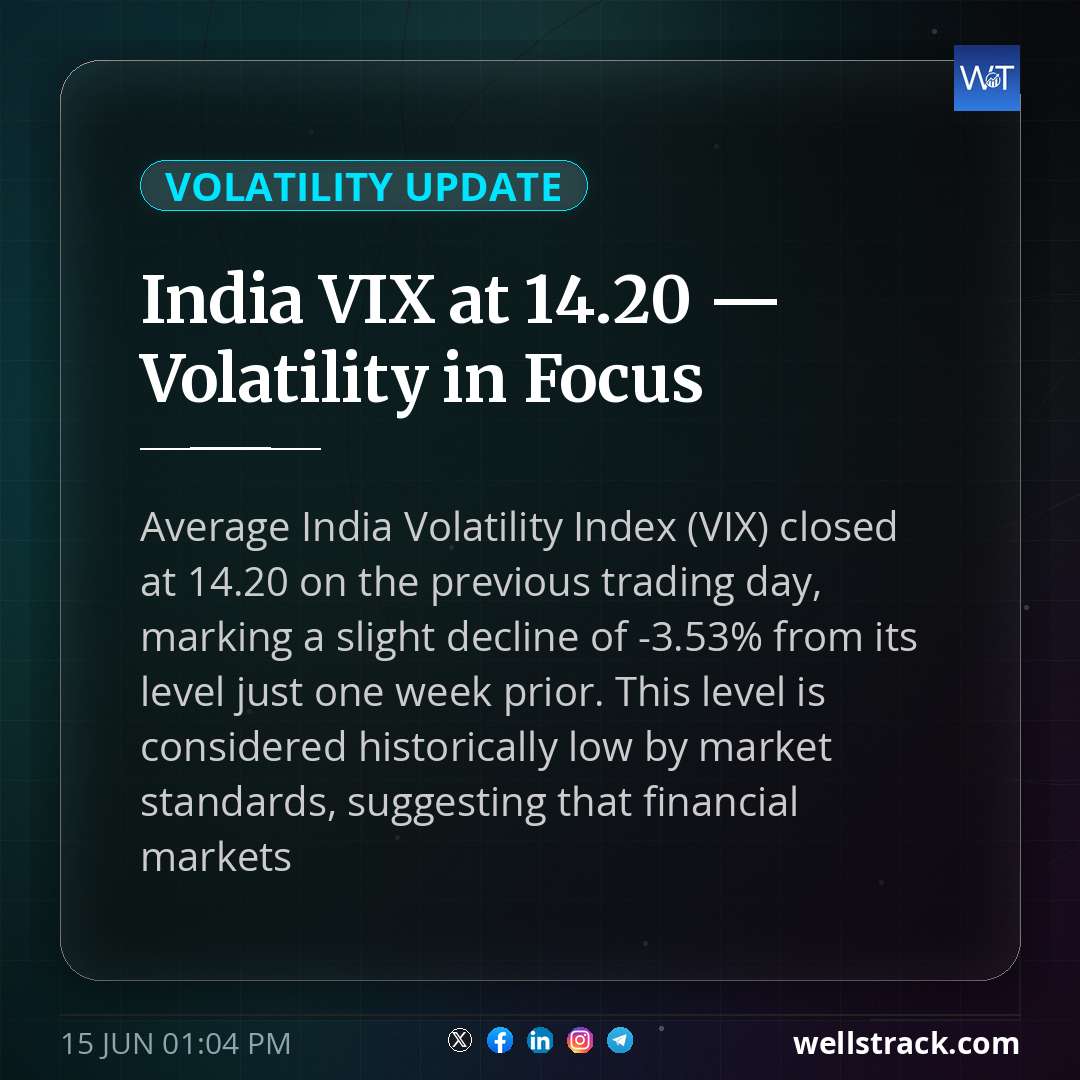
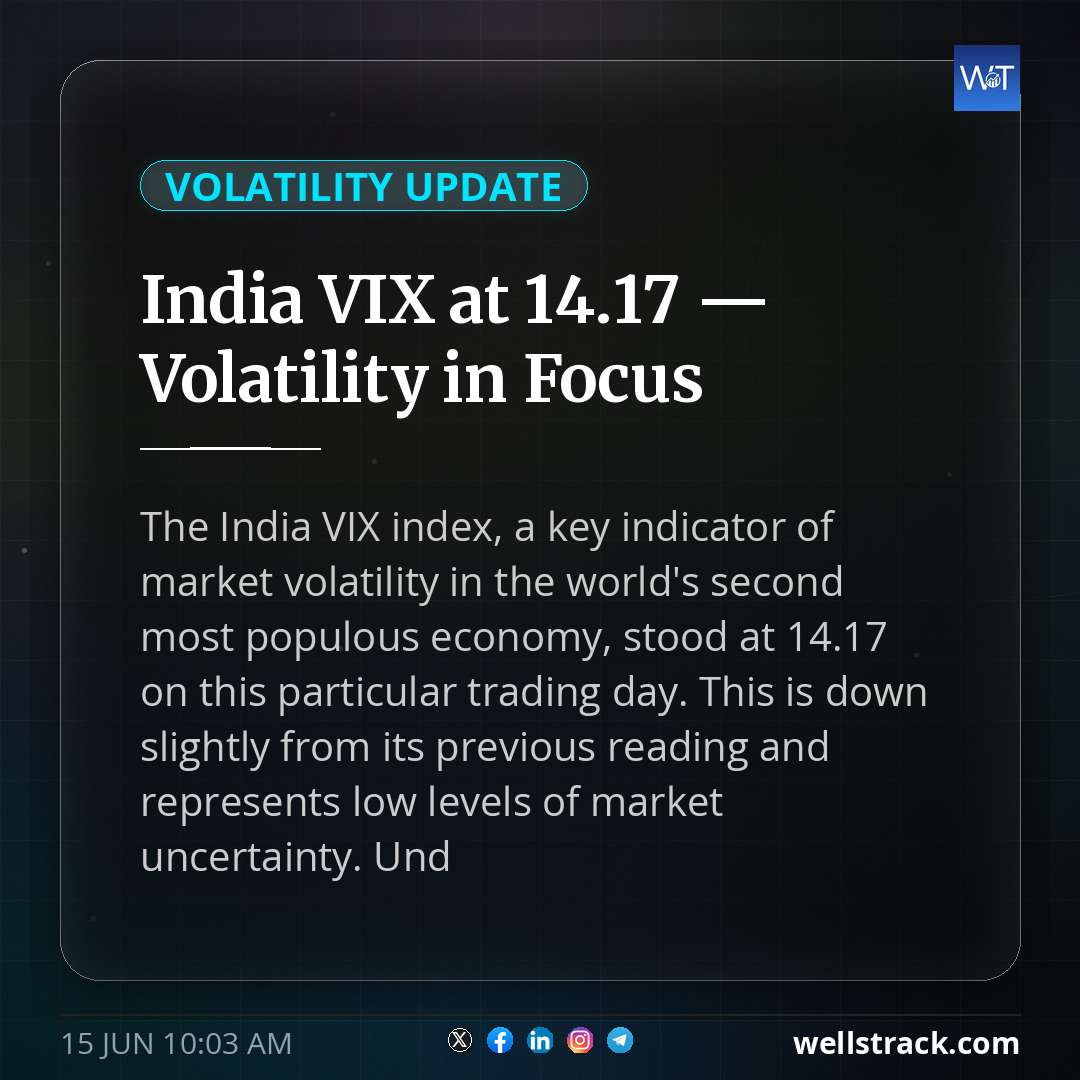
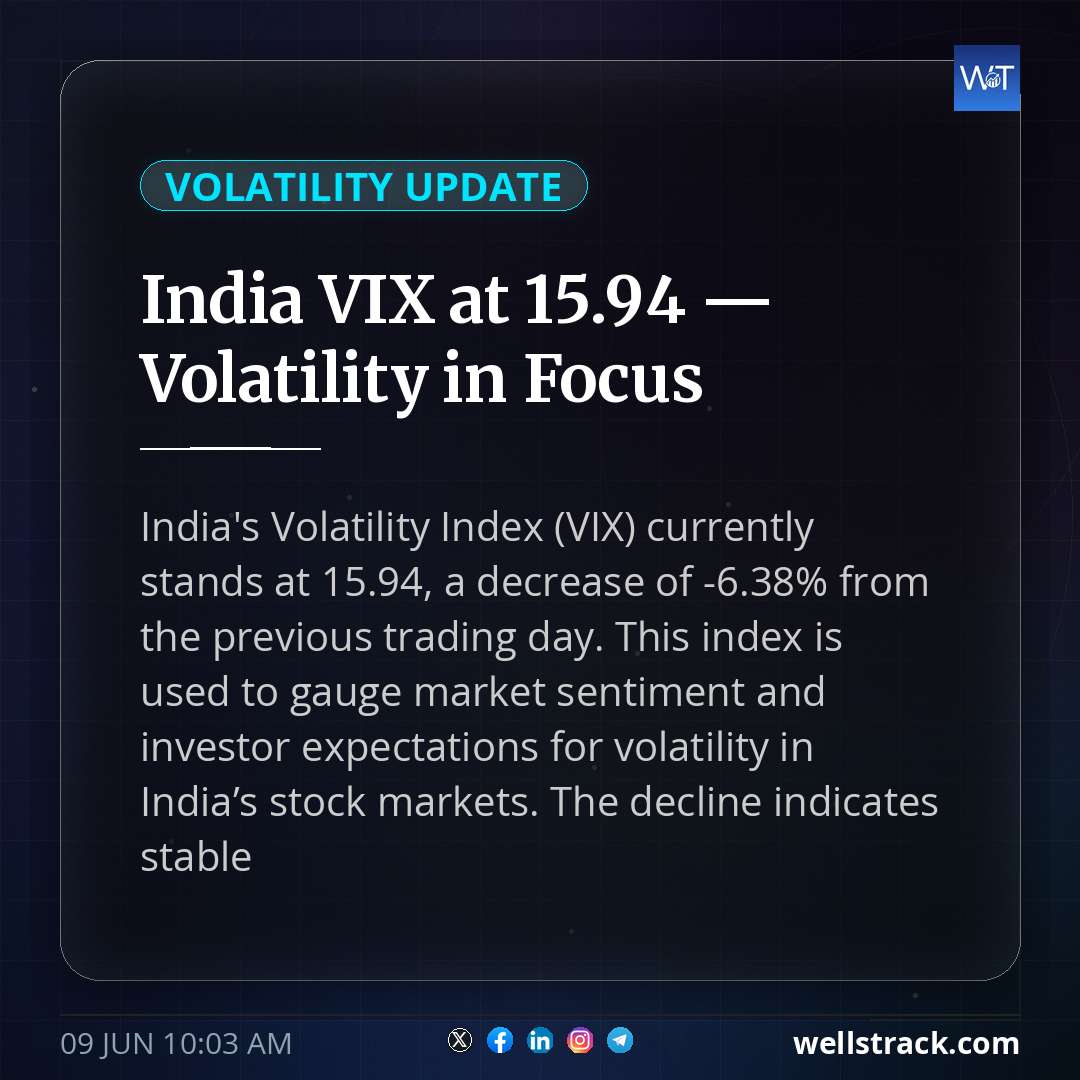
India's Volatility Index (VIX) currently stands at 15.94, a decrease of -6.38% from the previous trading day. This index is used to gauge market sentiment and investor expectations for volatility in India’s stock markets. The decline indicates stable conditions, but it also raises questions about potential underlying factors or economic indicators that might have influenced this change.
Context & Background
The Volatility Index (VIX) is a measure of the implied volatility of the S&P CNX NIFTY 50 index, which tracks the performance of India's top 50 companies. As of 15th March 2023, the VIX reading at 15.94 suggests that investors are currently expecting lower levels of market uncertainty and volatility in the near term.
Historically, significant changes in the VIX have often been associated with global economic events or geopolitical shifts within India or across the world. For instance, during the outbreak of the global financial crisis (GFC) in 2008, the VIX surged to unprecedented levels due to heightened market unpredictability and fear among investors.
Structurally speaking, lower volatility readings are often linked with robust economic growth, stable monetary policies, or positive economic indicators. Conversely, higher volatility is typically seen during periods of uncertainty such as political instability, natural disasters, or significant policy changes.
The stakeholders involved in the Indian stock market include a broad spectrum of entities including institutional investors, retail traders, and small to medium-sized enterprises (SMEs). These groups are motivated by various factors such as profit maximization, risk management, and investment returns. The power dynamics here involve a complex interplay between regulatory bodies, financial institutions, and the broader public.
Global Impact & Ripple Effects
The shift in the VIX level impacts not just India's domestic market but also influences international portfolio managers who allocate funds across different markets. Smaller fluctuations might have minimal effects on global portfolios, yet large swings can influence global equity indices and lead to systemic shifts.
For example, if the Indian stock market experiences less volatility in a relatively stable period, it could potentially benefit from increased inflows of foreign direct investment (FDI), which could stimulate economic growth. On the other hand, persistent high volatility might deter investors, leading to potential capital outflows and reduced liquidity.
Additionally, India's financial markets are closely linked to global indices like MSCI World Index and Nifty Global Index. Thus, any changes in Indian VIX can ripple through these broader indices, affecting the overall sentiment of international investors. In a broader context, such shifts might also influence emerging market currencies and their correlation with US Dollar.
Expert Perspective & Outlook
“The current level of 15.94 in the VIX reflects an environment where investor expectations for volatility are subdued,” says Dr. Rajesh Gupta, a renowned economist at Delhi University. "However, it's crucial to monitor other macroeconomic indicators and geopolitical landscapes as they can significantly impact market sentiment."
Experts predict that future movements of the VIX will hinge on several key variables including growth prospects, inflation rates, fiscal policies, and global economic conditions. Best-case scenarios would see a continued decline in volatility driven by solid economic fundamentals and stable monetary policies.
"We need to watch for any potential headwinds like supply chain disruptions or changes in interest rate policies which could reverse the current trend of low volatility," advises Dr. Gupta.