The Story
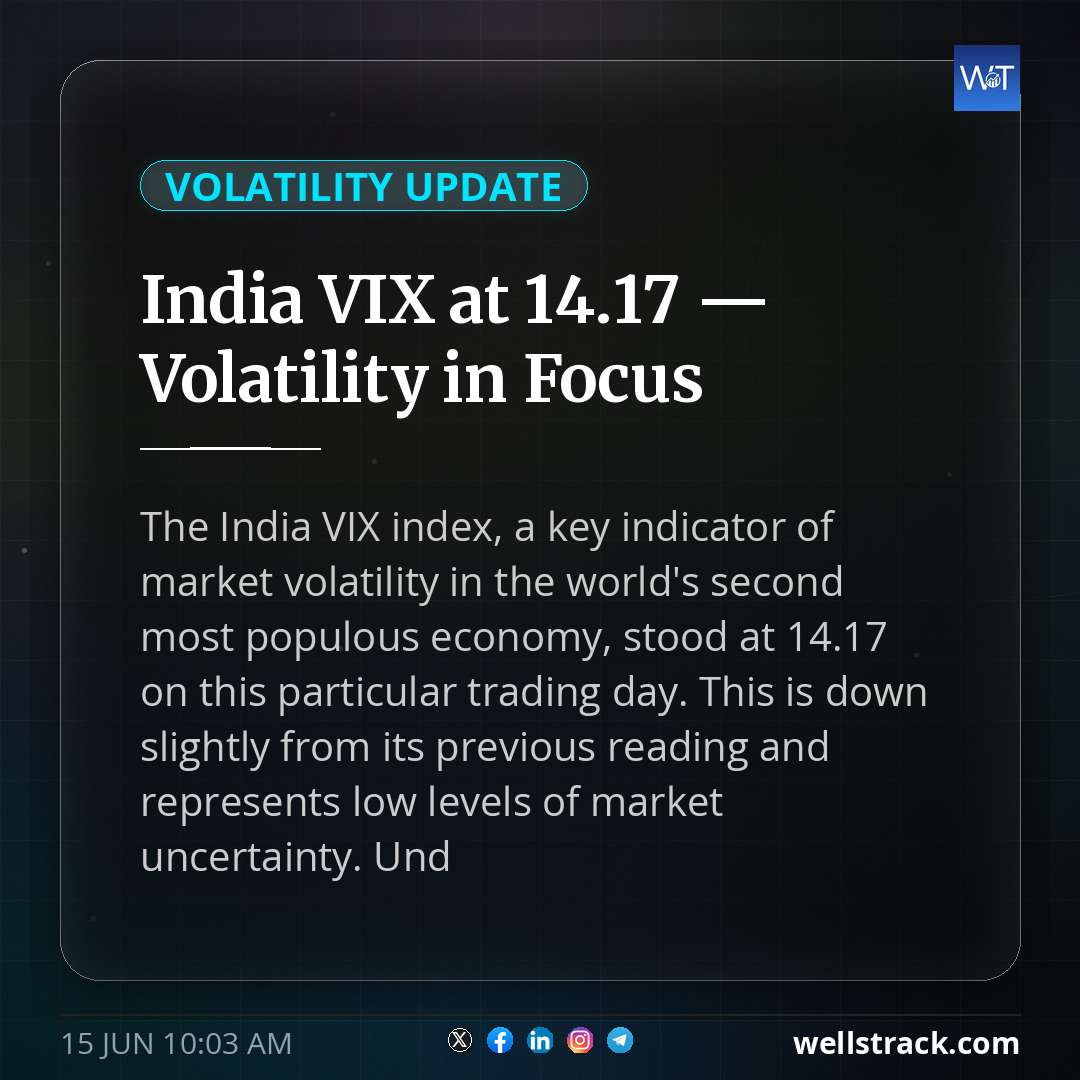
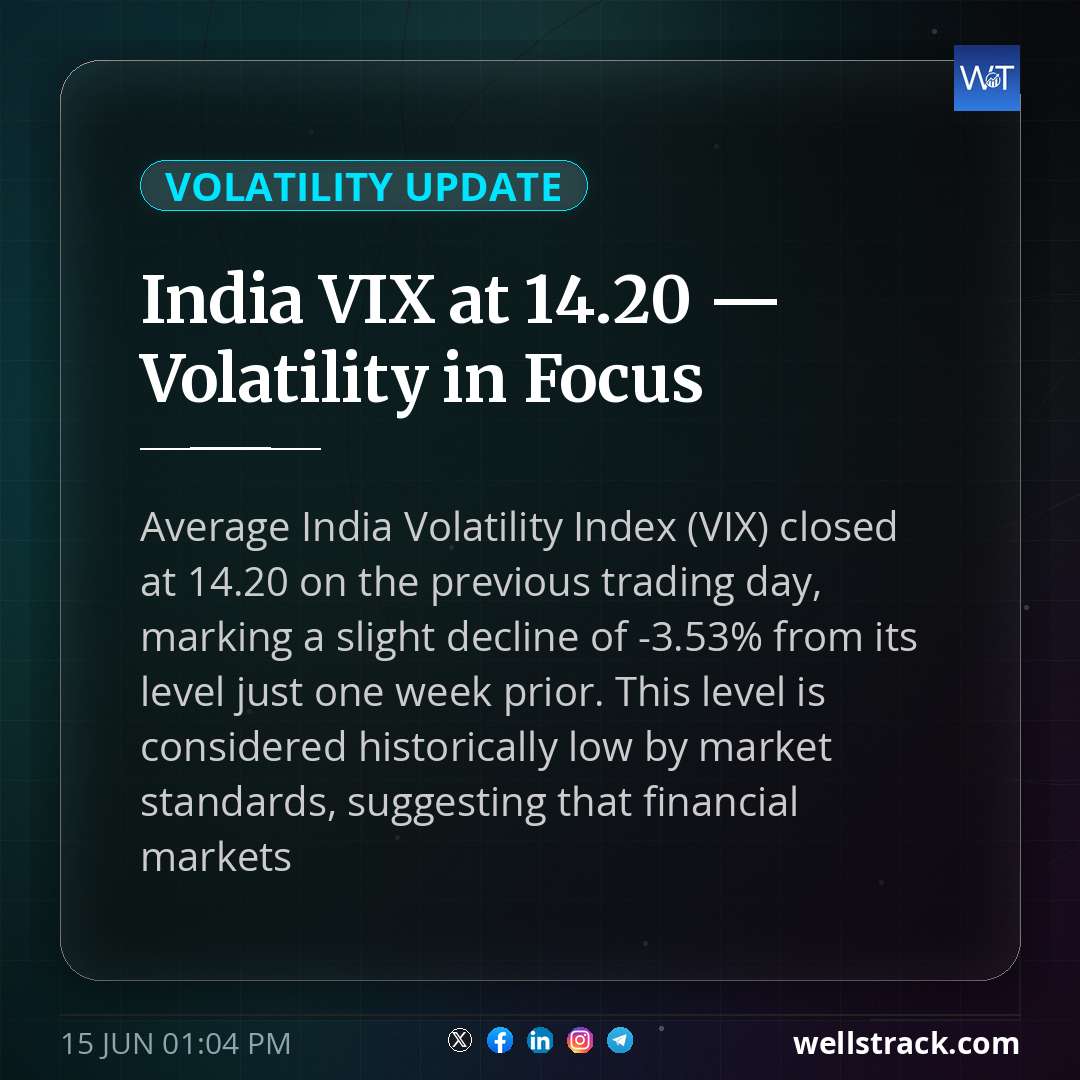
Average India Volatility Index (VIX) closed at 14.20 on the previous trading day, marking a slight decline of -3.53% from its level just one week prior. This level is considered historically low by market standards, suggesting that financial markets in India are currently experiencing relatively stable and calm conditions.
Context & Background
The Indian Volatility Index (VIX), a measure of expected volatility in the equity market over the next 30 days, reached its lowest level since May 2021. This drop is indicative of investors’ confidence in India’s economic performance and stability.
Historically, VIX values below 15 are considered low levels reflecting calmness in markets with little to no volatility.
Historically, VIX values below 15 are considered low levels reflecting calmness in markets with little to no volatility. The current stable conditions suggest that global investor sentiment towards India has improved, possibly as a result of positive GDP growth projections, fiscal stimulus measures, or an expectation of steady economic recovery.
Structurally, the Indian market’s performance is influenced by various factors such as government policies on economic reforms and monetary stability, coupled with the country's overall economic outlook. With geopolitical stability in India, international trade relations are also a crucial component that influences investor sentiment.
The main stakeholders involved include the Reserve Bank of India (RBI), the Securities and Exchange Board of India (SEBI), which oversees market operations, as well as individual and institutional investors who participate in equity markets. The RBI’s monetary policy decisions and SEBI's regulatory actions are pivotal for maintaining market stability.
Competing interests include foreign investors seeking a safe haven or emerging market returns against their home country investments, and domestic retail investors who rely on stable returns to meet their financial goals. These dynamics play out within the broader context of global economic trends, such as U.S.-China trade relations, which can have ripple effects on India's economy.
Global Impact & Ripple Effects
The low VIX in India has significant implications for investors globally, particularly those looking at emerging markets. With stable conditions in India’s financial sector, these investors may view it as a safer bet compared to other emerging market economies with higher levels of volatility.
This stability could influence global asset allocation decisions, potentially leading to increased inflows into Indian equities and bonds from foreign investors seeking lower risk investments. Conversely, if markets elsewhere remain volatile, India’s relative calmness might attract more funds away from these turbulent regions.
Stable conditions in India can also affect other sectors within its economy, such as consumer spending and corporate investment. If companies see fewer signs of disruption or economic downturns, they may be more inclined to invest further, which could lead to a positive cycle of growth for the broader economy.
Expert Perspective & Outlook
The current low VIX level in India indicates market stability; however, it is important for investors and policymakers to monitor other indicators such as employment rates, inflation, and interest rate movements. While best-case scenarios point towards continued stability leading to robust economic growth, worst-case scenarios could include sudden shifts due to unforeseen events or changes in global dynamics.
A key variable determining the future trajectory will be the effectiveness of India’s ongoing reforms aimed at improving fiscal sustainability and enhancing productivity across various sectors. Simultaneously, any developments within neighboring countries that may impact India's trade relations or economic environment could also play a crucial role in shaping market sentiment.
The current low VIX level reflects positive investor sentiment towards India's economy; however, the stability is fragile and dependent on multiple factors including global trends, domestic policy actions, and economic reforms.