The Story
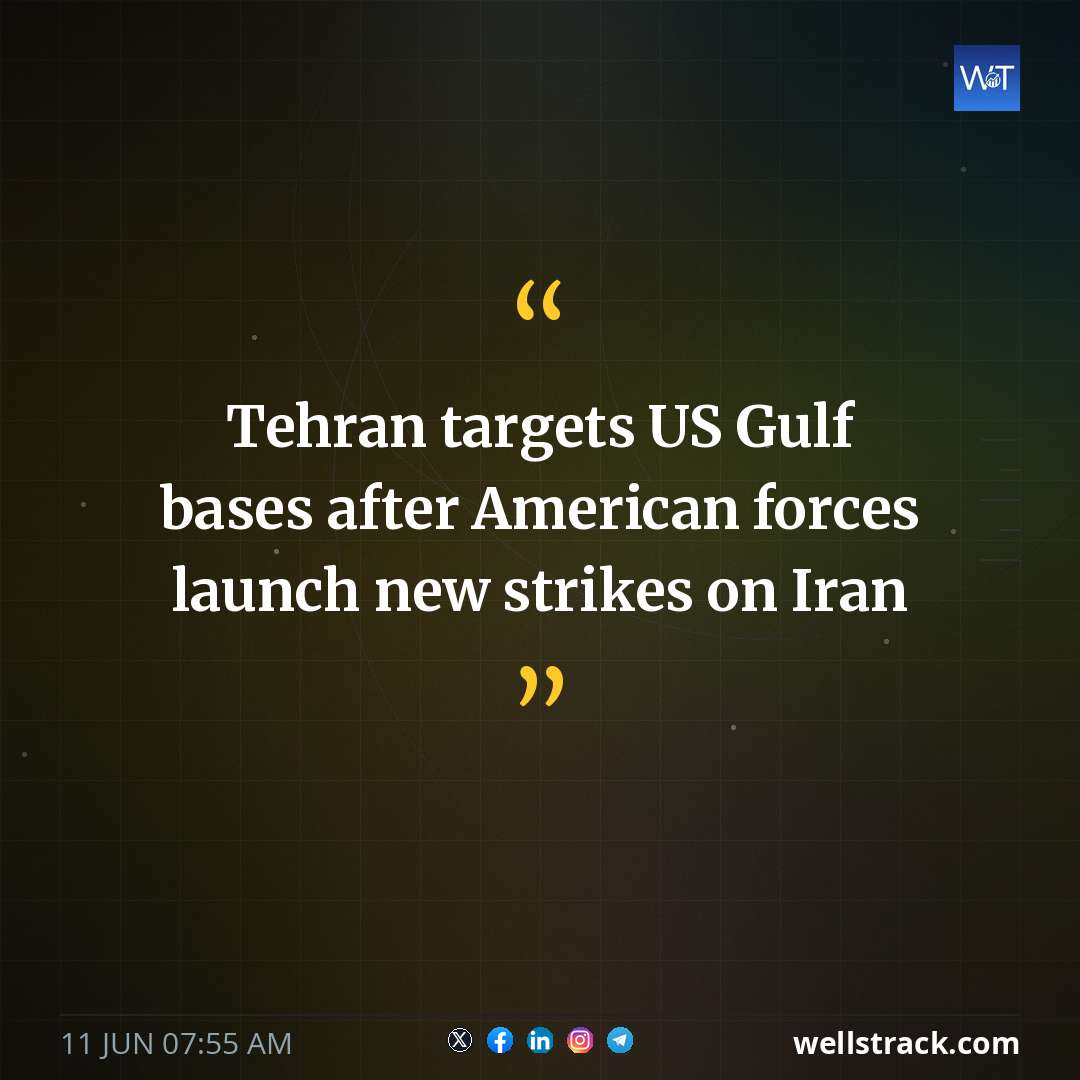
Iran's retaliatory strikes on US military bases in the Gulf region serve as a stark reminder of the precarious state of stability in the Middle East. Following Donald Trump’s warning to "hit them hard" after Tehran was accused of failing to negotiate an agreement, Iran responded by launching attacks targeting US facilities across Bahrain and Kuwait. These strikes come amidst escalating tensions that have strained already fragile ceasefire agreements.
Context & Background
The complex geopolitical landscape in the Middle East has been shaped by decades of conflict, including wars with Iraq, internal conflicts such as the one between Iran and Saudi Arabia, and a long-standing proxy war involving sectarian groups like Hezbollah. Recent years have seen these fissures exacerbated by regional powers seeking to influence the region through various means.
Historically, the US has been a key enforcer of international norms in the Gulf, often backed by its allies such as Saudi Arabia and UAE.
Historically, the US has been a key enforcer of international norms in the Gulf, often backed by its allies such as Saudi Arabia and UAE. Iran, on the other hand, views itself as a leading advocate for Shia communities across the region and has maintained strong military ties with Syria, Lebanon's Hezbollah, and Yemen’s Houthis.
In this context, Tehran’s recent actions appear to be a defiant response to what it perceives as US aggression and unilateralism. The ceasefire agreement in April, which was initially meant to last for two weeks, is increasingly being seen by both sides as a temporary reprieve rather than the end of hostilities.
Global Impact & Ripple Effects
The latest escalation threatens to destabilize regional security dynamics, particularly concerning oil supply routes through the vital Strait of Hormuz. Any disruption in this critical shipping lane could lead to significant global economic repercussions, potentially impacting oil prices and international markets. The tension also exacerbates existing geopolitical risks such as a potential military confrontation between US allies Saudi Arabia and Iran over their respective interests in Yemen.
Moreover, these escalating rounds of strikes have the potential to set back diplomatic efforts aimed at resolving the complex issue of nuclear proliferation under the Joint Comprehensive Plan of Action (JCPOA). The renewed hostility could further polarize already tense relationships within the international community, including tensions between Washington and Tehran, as well as disagreements over Iran's role in Syria and Iraq.
From a broader perspective, this escalation underscores the complex geopolitical chess game played out across the world’s stage. It highlights the continued struggle for influence among regional powers and reflects ongoing challenges to global stability brought about by factors including terrorism, sectarian divisions, and proliferation of weapons.
Expert Perspective & Outlook
The current situation in the Gulf stands on a precarious edge, with any further escalation potentially leading to full-scale conflict. As tensions continue to rise, it is crucial for all parties involved to engage constructively in diplomatic efforts aimed at de-escalating the situation.
Despite the severity of the attacks, both Iran and the US can still find common ground. The key variables that will determine the trajectory include the success or failure of recent diplomatic initiatives and whether each side is willing to make concessions necessary for a lasting peace.
In the best-case scenario, there could be a renewed push towards negotiations and dialogue between the two countries, potentially leading to a resolution that addresses both their security concerns and regional stability. However, if these attempts fail or are met with continued hostility, it may result in an even more volatile situation where small incidents can snowball into full-scale conflict.
The essence of this story's significance is encapsulated by the powerful words of UN Secretary-General António Guterres: "The Middle East is being pulled deeper into crisis. The ceasefire is more like a lesser fire; we should not minimize the risks of lesser fire becoming full fire, and all parties must work towards a diplomatic settlement."
“The Middle East is being pulled deeper into crisis. The ceasefire is more like a lesser fire; we should not minimize the risks of lesser fire becoming full fire, and all parties must work towards a diplomatic settlement.”