The Story
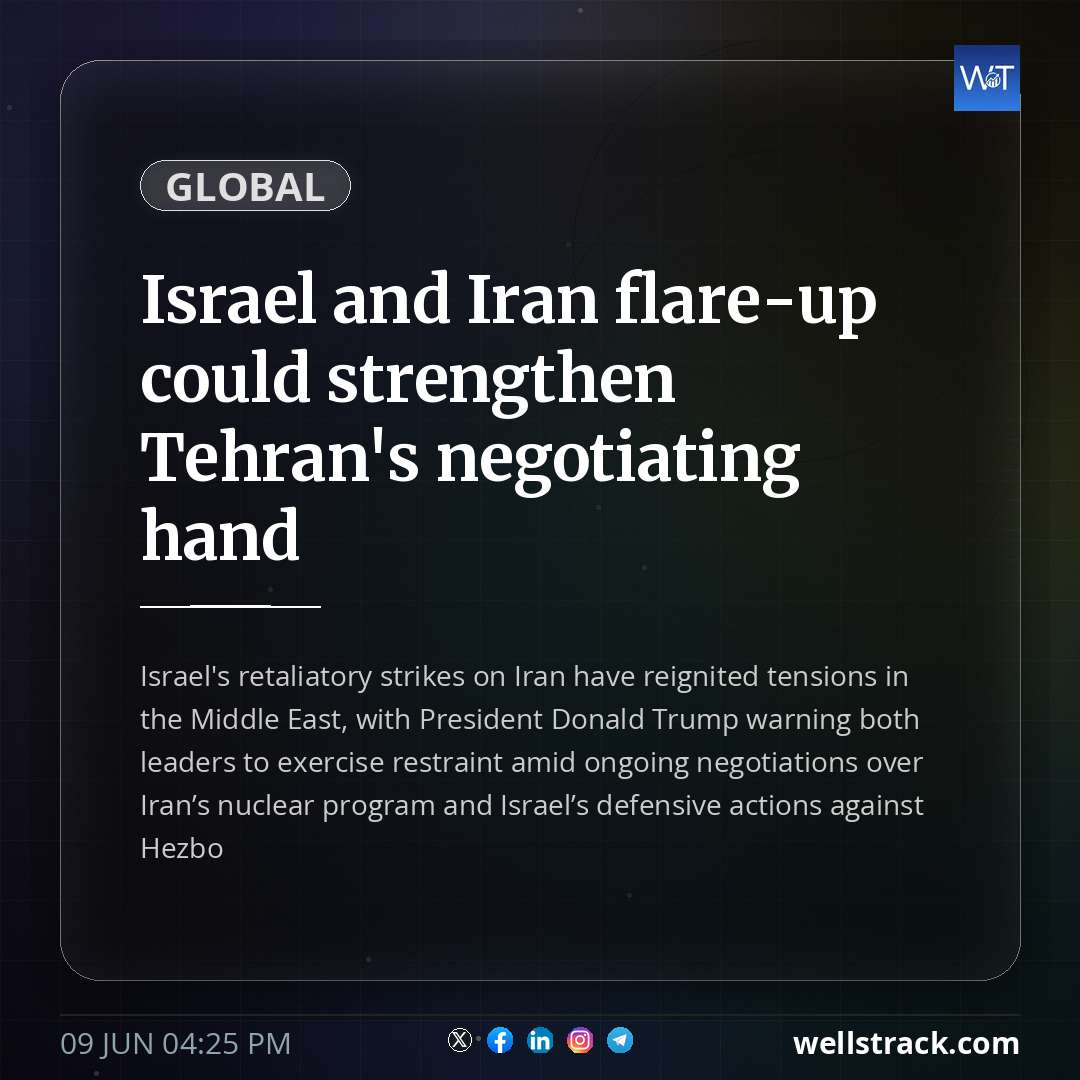
Israel's retaliatory strikes on Iran have reignited tensions in the Middle East, with President Donald Trump warning both leaders to exercise restraint amid ongoing negotiations over Iran’s nuclear program and Israel’s defensive actions against Hezbollah in Lebanon. The escalation comes as the United States tries to broker a deal with Tehran that would secure its commitment not to develop additional nuclear weapons while lifting sanctions imposed on the country.
Context & Background
The current conflict is rooted in decades of distrust and mutual aggression between Israel, Iran, and their regional allies. The 1979 Iranian Revolution brought Ayatollah Ruhollah Khomeini to power, leading to an ideological rift with Israel, which had established close ties during its early years. In the aftermath of the 2006 Lebanon War, Hezbollah launched a series of rockets against southern Israel, prompting retaliatory strikes from Israeli forces.
Despite these actions, Iran continued to pursue nuclear ambitions through covert means and was subsequently sanctioned by the international community for failing to comply with UN Security Council resolutions. In response, Tehran has sought to bolster its defense capabilities, including developing ballistic missiles, which it claims are for defensive purposes against Israeli strikes.
Global Impact & Ripple Effects
The latest round of violence threatens to destabilize the already fragile peace in the Middle East. The reopening of the Strait of Hormuz is crucial to global oil markets and any disruption could cause significant economic turmoil, particularly in Western economies reliant on imported fuel.
In Lebanon, where Hezbollah has maintained a strong presence for decades, the escalation has added further tensions, with both Israel and Iran potentially increasing their military engagements. This could lead to increased civilian casualties and heightened risks of spillover into other regional conflicts, such as those involving Syria or Palestine.
Expert Perspective & Outlook
The Israeli-Persian conflict is inherently complex, with multiple actors involved including the United States and various regional allies. The current power dynamic favors Iran, given its growing arsenal of advanced weapons systems and strategic partnerships in Iraq, Syria, and Lebanon. Israel's primary concern remains the threat posed by Hezbollah to Israeli security.
While Trump aims for a comprehensive deal involving all parties, negotiations have stalled amid disagreements over Iranian compliance measures. The latest developments heighten tensions but may also provide enough momentum for continued dialogue, though this is far from certain. Any resolution must address Iran’s nuclear ambitions and the need for regional stability.
A breakthrough in the ongoing Israeli-Iran standoff could be the key to resuming broader Middle East negotiations, however it remains unclear how such a deal would be implemented or enforced given the entrenched interests at play.