
Market Analysis & Executive Summary
Institutional Large Deals 🐳
Welcome to our deep-dive intelligence report. We are tracking a unique divergence between cash market delivery volumes and futures market speculation, which could dictate the trend for the remainder of the trading week. Often, when futures markets lead cash markets by a wide margin, it is a sign of speculative excess that is vulnerable to a sharp correction. Conversely, strong delivery-based buying in the cash market provides a more sustainable foundation for a prolonged rally. By analyzing these volume metrics in conjunction with price action, we can identify areas of genuine accumulation and distribution, allowing us to align our strategies with the 'smart money'. Editor Summary: 🐳 INSTITUTIONAL DEAL ALERT + AQYLON [BULK] BUY | ₹12.3 Cr | Qty: 2,100,000 @ ₹58.5 Client: PINE OAK GLOBAL FUND + GOCOLORS [BULK] BUY | ₹14.8 Cr | Qty: 356,871 @ ₹415.38 Client: RAMDOOT REALTORS PVT LTD + GOCOLORS [BULK] BUY | ₹13.7 Cr | Qty: 331,607 @ ₹411.84 Client: PARTH INFIN BROKERS PVT LTD + GOCOLORS [BULK] BUY | ₹14.6 Cr | Qty: 352,048 @ ₹415.32 Client: HRTI PRIVATE LIMITED + ITDC [BULK] BUY | ₹33.3 Cr | Qty: 497,756 @ ₹669.64 Client: QE SECURITIES LLP +75 more deals
Large deals flag positioning by informed hands but can be staggered or hedged—use volume, delivery, and follow-up sessions for confirmation.
Large deals flag positioning by informed hands but can be staggered or hedged—use volume, delivery, and follow-up sessions for confirmation. A block deal is not a buy signal; it is a footprint that requires further contextual investigation. Institutional investors often break up large orders to minimize market impact, meaning that a single block deal may be part of a larger accumulation or distribution program. Analyzing the subsequent price action and volume patterns is essential for determining the true intent behind the trade.
Desk Context & Key Signals
Key market instrumentation signals and primary drivers identified today: INSTITUTIONAL, LARGE, DEALS, DEAL, ALERT, AQYLON, BULK, BUY.
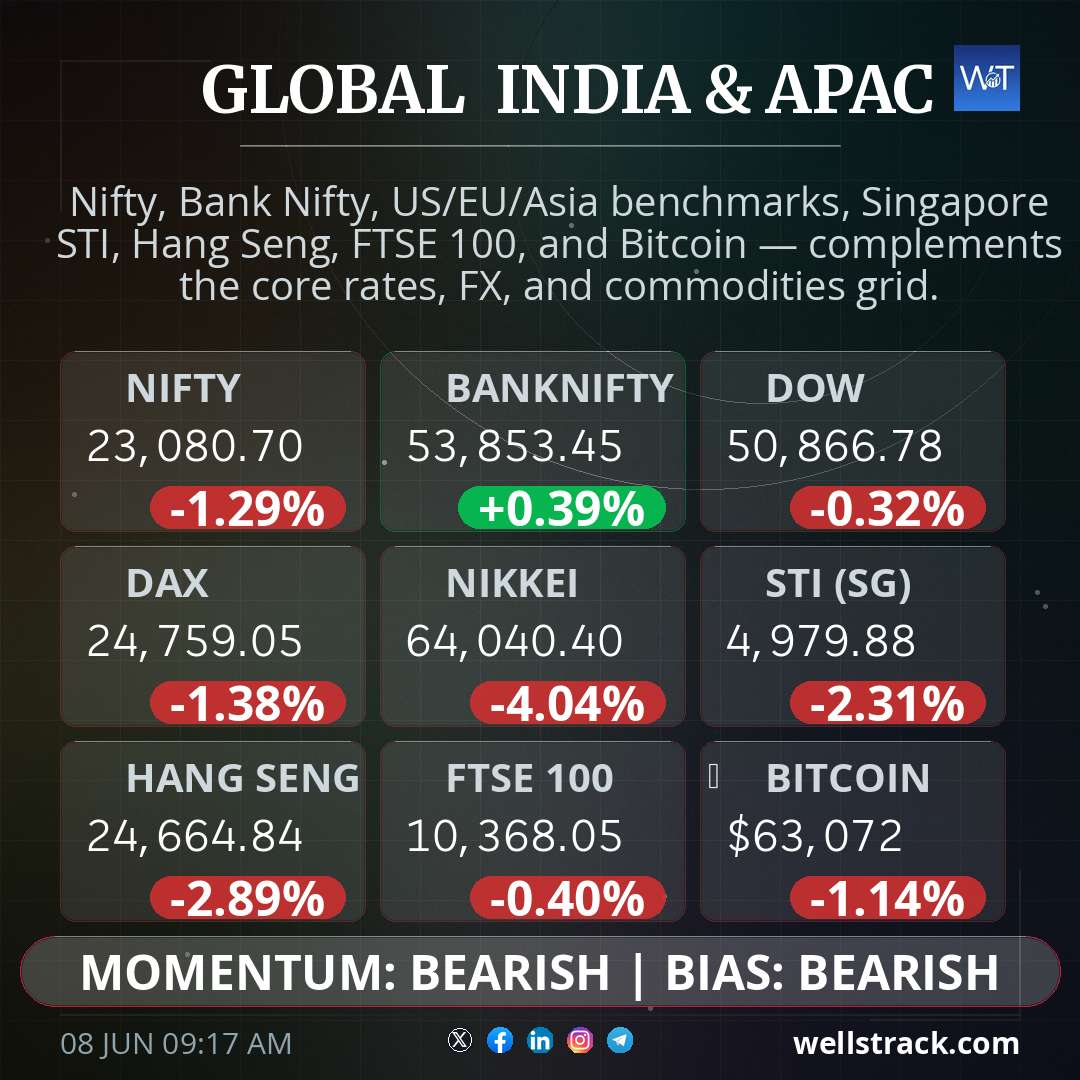
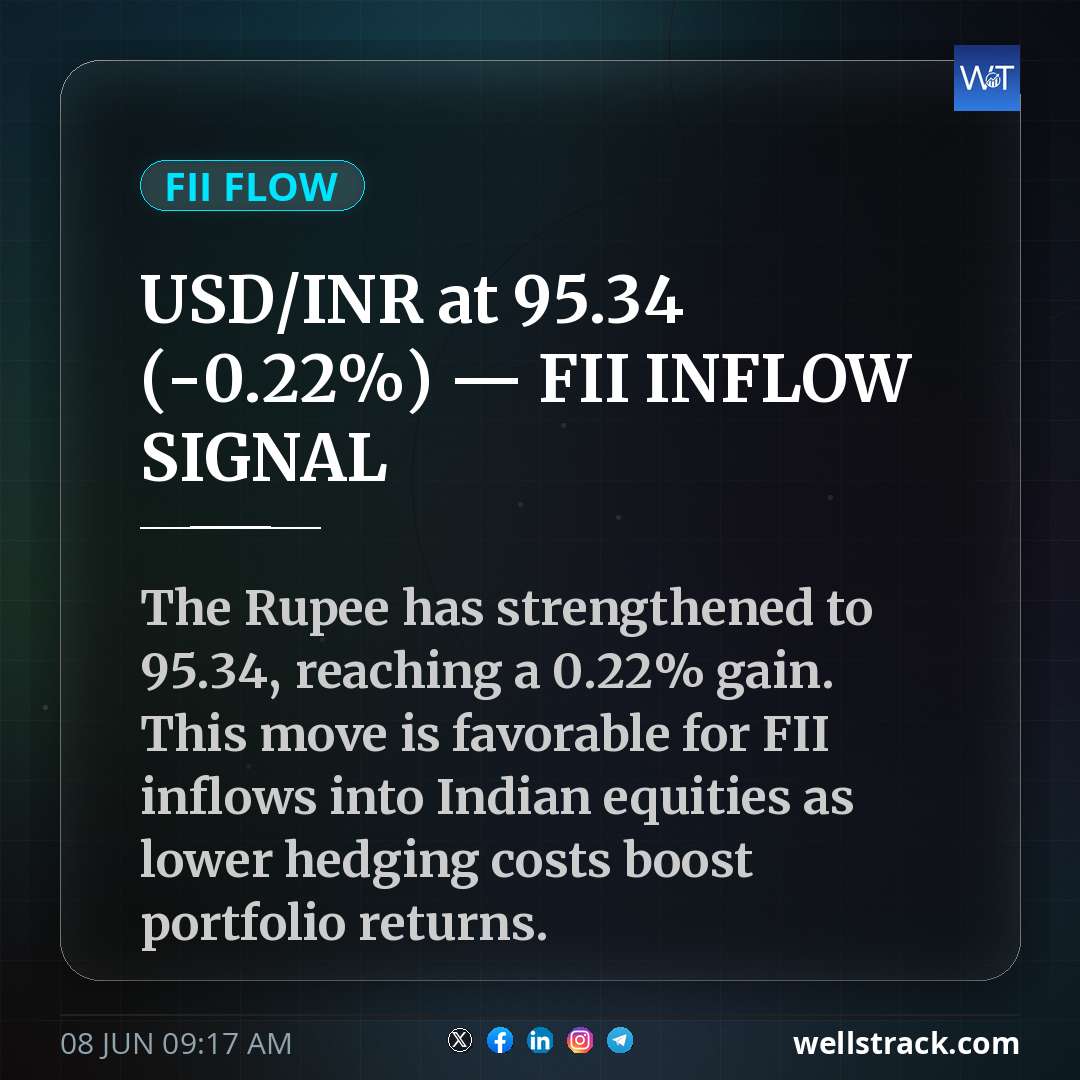
Cross-asset volatility index shifts and currency fluctuations indicate institutional capital is repositioning across sectors. The intricate dance between the Japanese Yen carry trade and US equity futures is creating secondary ripples that affect our domestic markets, particularly in rate-sensitive sectors like banking and auto. The persistent strength of the US dollar remains a significant headwind for emerging market equities, as it increases the cost of servicing dollar-denominated debt and diminishes the attractiveness of local assets. However, certain sectors, such as IT and pharmaceuticals, may benefit from a weaker domestic currency, creating a complex patchwork of winners and losers. The key to navigating this environment is to identify those companies with robust balance sheets and strong pricing power, which are best positioned to weather the macroeconomic storm.
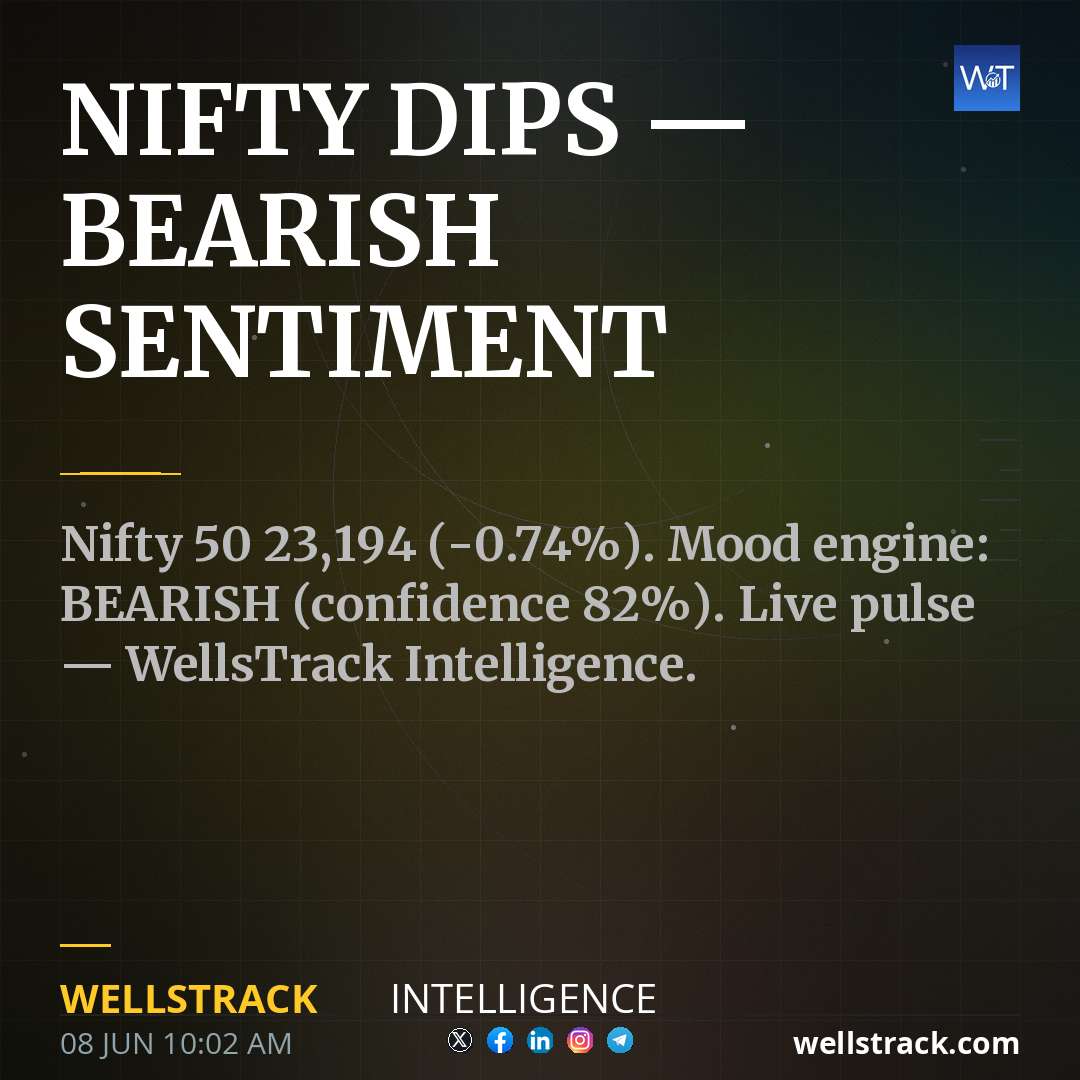
Institutional sentiment, derived from FII index futures positioning, shows a significant accumulation of short contracts. Unless we see a short-covering rally triggered by an unexpected positive catalyst, the path of least resistance remains to the downside. The positioning of large institutional investors, such as FIIs and mutual funds, is a critical driver of market trends. These entities control massive amounts of capital and their buying or selling activities can have a profound impact on market prices. By tracking their positioning in the futures and options markets, traders can gain valuable insights into their directional bias and anticipate potential market movements.
Technical & Sector Analysis
From a purely technical perspective, the market structure remains complex. Moving average crossovers on the daily timeframe are currently conflicting with momentum oscillators like the RSI and MACD on the hourly charts. This time-frame mismatch often leads to choppy, range-bound price action until a clear catalyst emerges to align the timeframes. The presence of multiple, conflicting technical signals is a hallmark of a transitional market phase, where neither the bulls nor the bears have established clear control. In such environments, traders are best served by adopting a neutral stance and waiting for a decisive breakout or breakdown before committing significant capital. The most reliable technical patterns are often those that develop over longer timeframes, as they are less susceptible to intraday manipulation by high-frequency trading algorithms.
Mid-cap and small-cap indices are exhibiting extreme relative strength compared to the large-cap benchmarks. While this indicates robust retail and high-net-worth participation, history reminds us that liquidity in these segments evaporates instantly during broader market panic. Risk management here must be ruthless. The allure of outsized returns often draws investors into the riskier segments of the market, particularly during periods of strong bullish sentiment. However, the lack of institutional sponsorship and the inherently illiquid nature of these stocks make them highly vulnerable to sudden sell-offs. Investors should maintain a diversified portfolio and avoid over-allocating to high-beta, low-liquidity names.
India Read-Across & Domestic Flows
Traders should prioritize liquid tickers, tracking key technical indicators (VWAP, EMA) to navigate momentum swings. In the current regime, holding overnight positions carries elevated gap risk due to overnight global developments. Intraday structural breaks are becoming more reliable than multi-day swing setups. The intraday price action is often characterized by sharp, algorithmically driven spikes and plunges, making it imperative for traders to employ strict risk management and avoid emotional decision-making. The use of volume-weighted average price (VWAP) as a benchmark for execution is particularly effective in this environment, as it helps traders identify the true consensus price and avoid buying at the top or selling at the bottom of intraday ranges.
What to Watch Next
Follow-through volume on the cash market versus futures-led gaps. If the cash market does not support the initial derivative spike, fade the move.
Whether leaders in the same sector confirm or diverge from the narrative. Broad participation is required for sustainable breakouts.
Macro prints (inflation, Fed/RBI guidance, crude) that could reset correlations and invalidate current technical setups entirely.
Risk Disclosure: Past performance is not indicative of future results. The analysis provided herein is based on mathematical models and historical data which may not reliably predict future market movements. Always employ strict risk management and stop-loss mechanisms.
Editorial Methodology: We utilize a hybrid approach combining automated quantitative screening with expert human editorial oversight to distill complex market noise into actionable intelligence.
About WellsTrack: WellsTrack publishes institutional-style market intelligence for Indian and global readers. Articles may be updated dynamically as new verified data from exchange feeds or institutional partners arrives; always verify timestamps when sharing analysis.